Eating well in pregnancy: nutrition for you and your baby
11 June 2026 · By Pregnancy.mu · Updated 18 June 2026
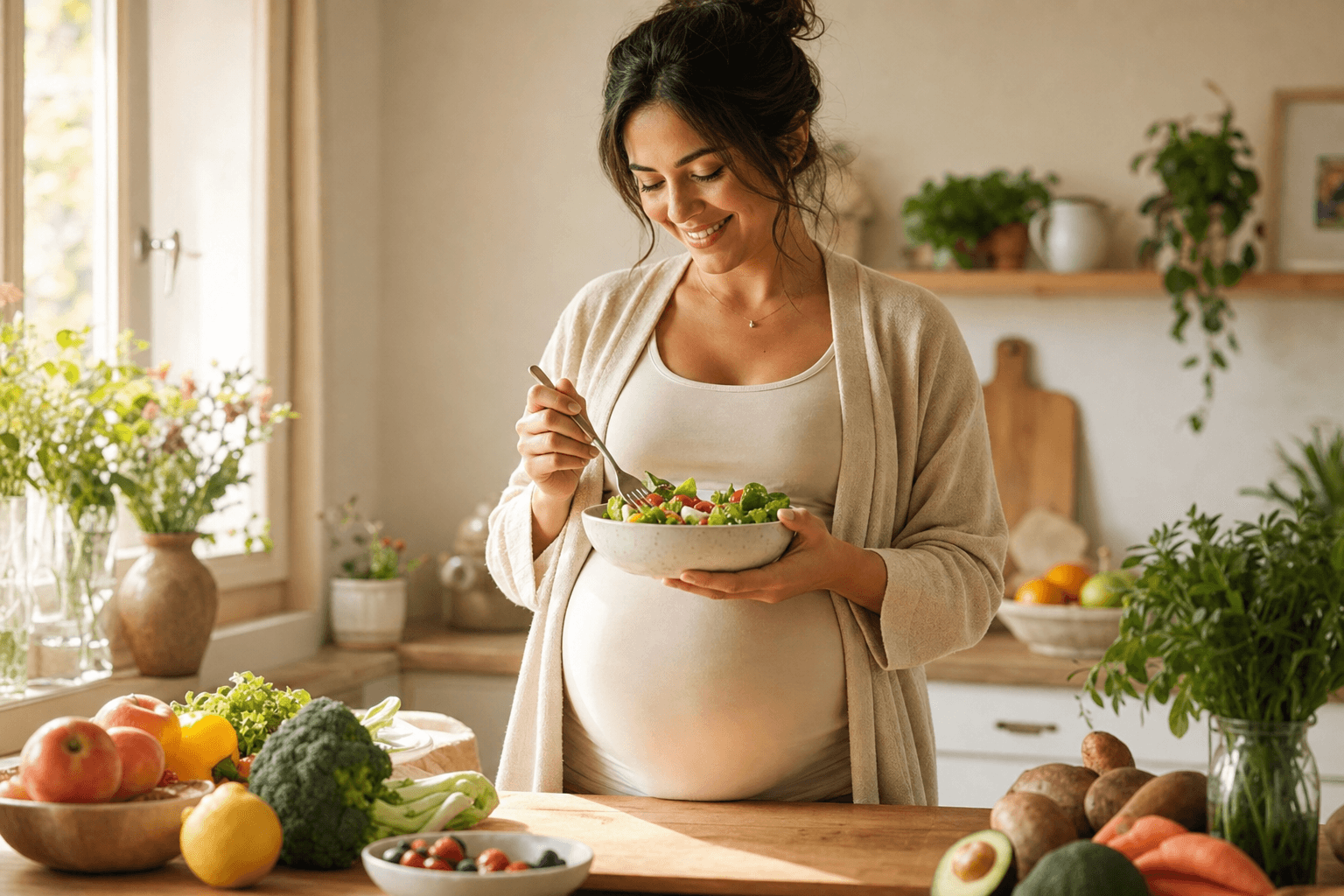
Eating well during pregnancy is one of the kindest things you can do for yourself and your growing baby. The good news is that it rarely means dramatic changes. For most women, it is about building on a balanced, varied diet and paying a little extra attention to a few key nutrients.
You are not truly eating for two in terms of quantity. Your energy needs rise only modestly, mostly in the later months. Quality matters far more than quantity, so aim for nourishing, colourful meals rather than larger portions.
A balanced plate
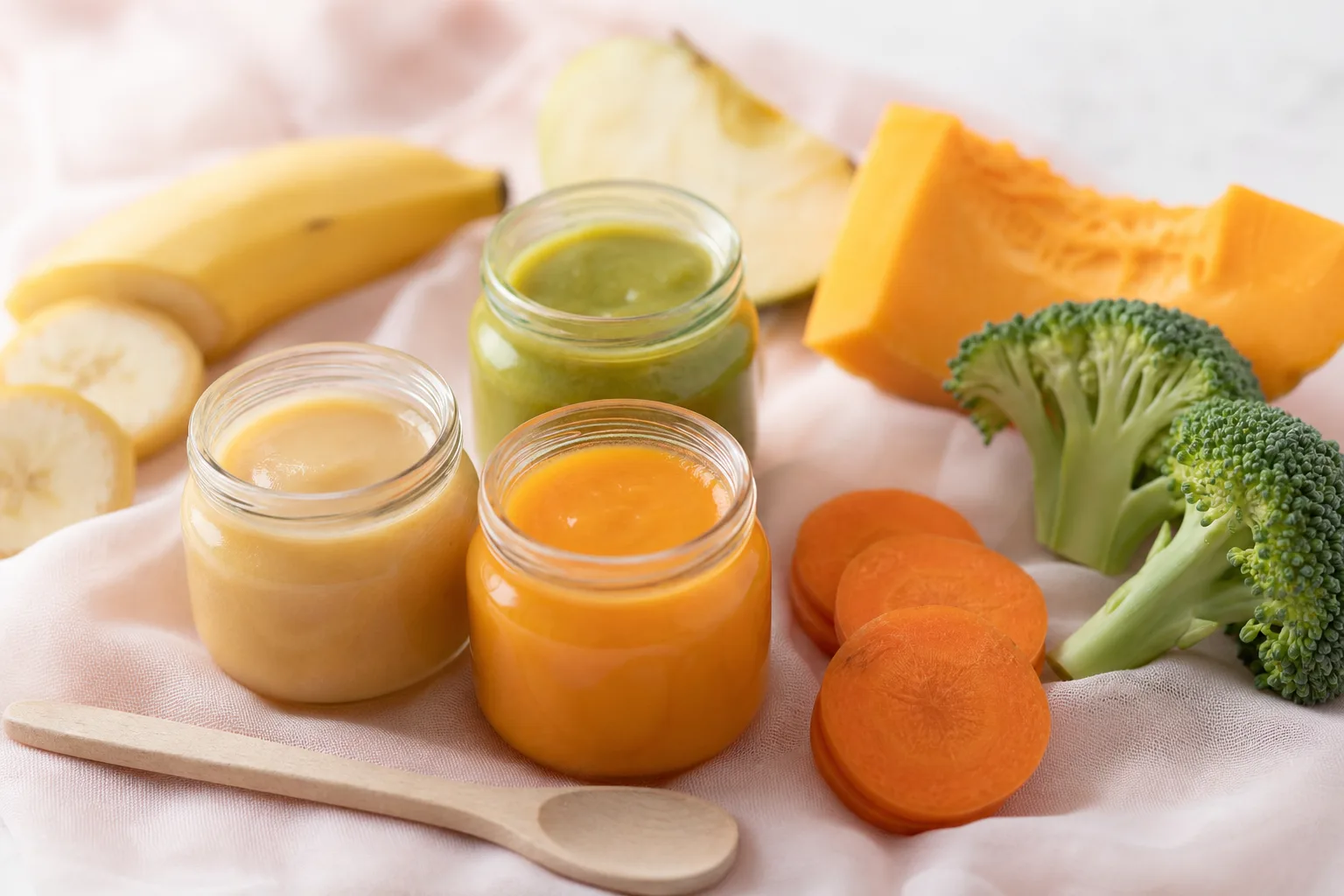
A good daily pattern includes plenty of vegetables and fruit, wholegrains such as brown rice or wholemeal bread, lean protein, and some dairy or fortified alternatives. Mauritius is blessed with abundant fresh produce, and local fruits and vegetables are an easy, affordable way to fill your plate with vitamins and fibre. Fibre also helps with the constipation that pregnancy hormones can bring.
Key nutrients to prioritise
A few nutrients deserve special attention during pregnancy.
- Folate (folic acid) supports your baby's brain and spine development, especially in early pregnancy. Find it in leafy greens, beans and citrus, and take it as a supplement too.
- Iron supports the extra blood your body makes and helps prevent anaemia. Good sources include lean red meat, lentils, beans and dark leafy greens. Pairing plant iron with vitamin C, such as a squeeze of lemon, improves absorption.
- Calcium builds your baby's bones and teeth. Dairy, fortified alternatives, sardines and leafy greens all help.
- Protein is the building block of your baby's tissues. Include eggs, fish, poultry, beans, lentils and nuts.
- Omega-3 fatty acids support brain and eye development. Oily fish a couple of times a week is ideal, within safe limits.
Staying hydrated
Hydration matters more in pregnancy, and even more in the warm, humid Mauritian climate. Water supports your increased blood volume, aids digestion and helps prevent urinary infections. Keep a refillable water bottle with you and sip steadily through the day rather than gulping large amounts at once. Plain water is best, but milk and diluted fresh juices count too.
Foods to limit or avoid
A short list of foods carry a small risk during pregnancy and are best avoided or limited to protect against infections such as listeria, salmonella and toxoplasmosis.
- Raw or undercooked meat, fish and eggs, including rare meat and raw shellfish
- Unpasteurised milk and soft mould-ripened cheeses
- High-mercury fish such as shark, swordfish and marlin, and limited tuna
- Pate, and pre-prepared salads that have sat unrefrigerated
- Too much caffeine, generally kept to a moderate daily limit
- Alcohol, which is safest avoided entirely in pregnancy
Wash fruit and vegetables well, cook food thoroughly, and keep your fridge cold. These simple habits prevent most food-related risks.
Managing nausea
Morning sickness can make healthy eating feel impossible in the early weeks. Be gentle with yourself. Eating little and often, keeping plain crackers by the bed, choosing cold or bland foods, and sipping ginger or lemon water can all help. Strong cooking smells often trigger nausea, so cooler meals may sit better. If you cannot keep any food or fluid down, contact your doctor or midwife, as treatment is available.
Prenatal vitamins as a supplement
A daily prenatal vitamin is a valuable safety net, particularly for folic acid, vitamin D and iron. It is a supplement, however, not a replacement for real food. Whole foods provide fibre, hydration and a spectrum of nutrients that no tablet can match. Think of your vitamin as topping up an already good diet.
The wider Healthspan approach views nutrition as a foundation of lifelong wellbeing, and pregnancy is a wonderful moment to build habits that benefit your whole family.
A gentle reminder
Nutritional needs vary from woman to woman, and some pregnancies require specific dietary adjustments, for example with gestational diabetes or anaemia. Talk to your doctor or midwife about your individual needs and any supplements before changing your diet, because what suits one pregnancy may not suit another. With a colourful plate, plenty of water and a little planning, you can nourish both yourself and your baby beautifully through these special months.
A healthy pregnancy is the start of a longer, healthier life. Explore the wider Healthspan health ecosystem.